Where to See Britain's Cold-Water Coral: A Month-by-Month Guide
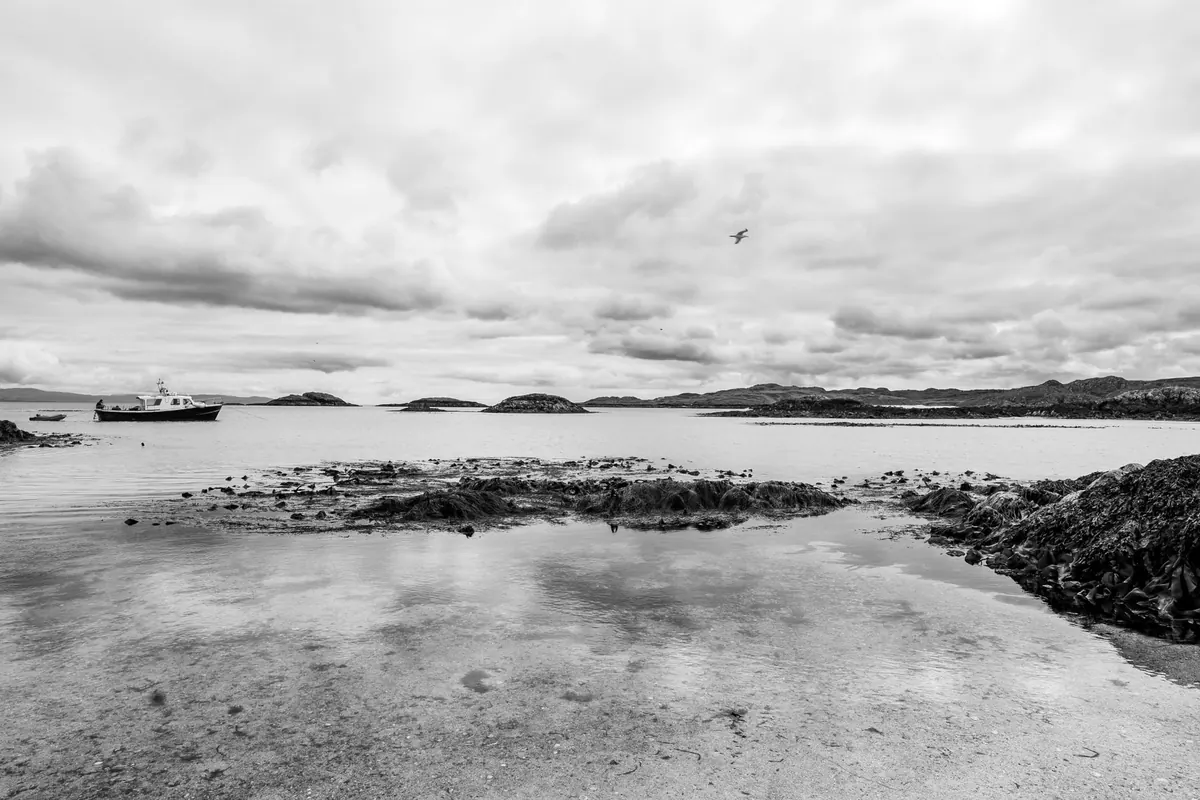
Britain's cold-water coral reefs are, for the most part, inconveniently deep. The famous ones — Mingulay, the Darwin Mounds, the banks stretching out towards Rockall — sit well beyond recreational diving limits, which is why most of the footage we see comes from cameras on remotely operated vehicles. That is not the end of the story. Scotland's sea lochs and west-coast sounds hold cold-water coral and its close relatives within reach of a reasonably confident diver, along with maerl beds, flame shell beds and brittlestar carpets that stand comparison with anything in warmer seas. The catch is timing. Visibility, swell and daylight swing enormously through the year, so here is what to expect, month by month.
What "Cold-Water Coral" Really Means Here
Britain's reef-building coral is Lophelia pertusa, now more often listed as Desmophyllum pertusum. It grows slowly in cold, current-swept water and forms the structures that made Mingulay and the Darwin Mounds famous — anywhere from around 100 metres down to a kilometre. No recreational diver is finning along those. Accept that early and the diving gets better, because the species sharing that habitat are comfortably within reach: Devonshire cup coral studding shaded rock, sea fans, dead man's fingers, plumose anemones and dense fields of northern feather stars. On a good west-coast wall in February you are looking at cold-water coral habitat. It simply is not the reef-building headline act.
The Rhythm of the Diving Year
Four things decide whether a trip works, and they rarely agree with each other.
- Plankton. The biggest single factor in visibility. The spring bloom strips many sea lochs back to three or four metres, sometimes less.
- Swell. Atlantic groundswell decides whether the boat leaves harbour at all. A calm forecast on land means very little on an exposed reef.
- Wind direction. A sheltered loch can be flat in a westerly gale; the same wind makes offshore sites un diveable. Direction matters as much as strength.
- Tides and daylight. Sounds and narrows need slack water, and midwinter gives you barely six or seven usable hours.
Water temperature swings less than you might think: surface layers reach the low teens at the end of a good summer and sit around seven or eight degrees in winter, while deeper water stays cooler and steadier. A drysuit is standard kit all year, not a winter speciality.
Month by Month
December to February: the clear months
Cold, quiet and often surprisingly clear. Sheltered lochs can give ten to twenty metres of visibility on a settled high-pressure spell, and sites that are heaving in July are yours alone. The trade-off is weather: gales roll through regularly and daylight is short. Keep dates flexible, have a plan B loch in mind, and be ready to move. This is the best window for maerl beds and flame shell beds, when the light is clean and the growth is at its most vivid.
March to May: the crossover
March often holds the clarity of winter with improving daylight. Then the plankton arrives, usually late March into April, and visibility drops accordingly. Wildlife picks up sharply: basking sharks begin appearing around the Hebrides, seals are curious, and the first flush of seaweed growth changes the look of shallow sites. May is the all-rounder — settled spells, long days and workable water in most lochs, though the bloom can still be thick in places.
June to August: warm, busy, murky
The best weather and the worst visibility, broadly speaking. Lochs that gave you fifteen metres in February can be down to three. What you gain is life: nudibranchs, juvenile fish, jellyfish drifting through, and long days that allow three dives rather than two. This is the season for offshore and remote sites, when the sea state finally allows a liveaboard run to St Kilda or the Flannan Isles. Book boats early and pack midge repellent for the shore.
September to November: the sweet spot
September and October are quietly the best months for many divers. The bloom dies back, the water is still mild, the crowds have gone and the light is superb. Weather windows become less frequent through October, and November turns stormy, but a settled spell in early winter can deliver excellent clarity in sheltered lochs.
Where to Point the Torch
- Loch Creran — serpulid worm reefs, one of the finest examples anywhere, on sheltered muddy slopes.
- Loch Carron and Loch Sunart — flame shell beds, brittlestar carpets and scenic walls.
- Loch Sween and the Firth of Lorn — classic maerl grounds: slow-growing coralline nodules that form living seabed.
- The Sound of Mull and Loch Alsh — accessible walls for plumose anemones, cup corals and sea fans, with current to match.
- Strangford Lough — horse mussel reefs in Northern Ireland, a genuinely different habitat.
Maerl and coral are protected in various marine protected areas, and collecting them is both damaging and, in many sites, prohibited. Take photographs, leave the seabed alone.
Planning That Actually Works
- Check wind, swell and tide together, not separately. A single app is rarely enough.
- Talk to the skipper before booking. They know which loch is clear this week.
- Build in a spare day. Weather windows close quickly on the west coast.
- Carry a torch on every dive — much of the best life sits in shade and under overhangs.
- Record what you see. Volunteer survey schemes such as Seasearch turn a good dive into useful data.
Dive within your training, plan for boat cover and remember that cold water, remote coasts and strong
Photo: Phil Evenden / Pexels