The Grind Behind the Glory: What Separates Casino Winners From Donors
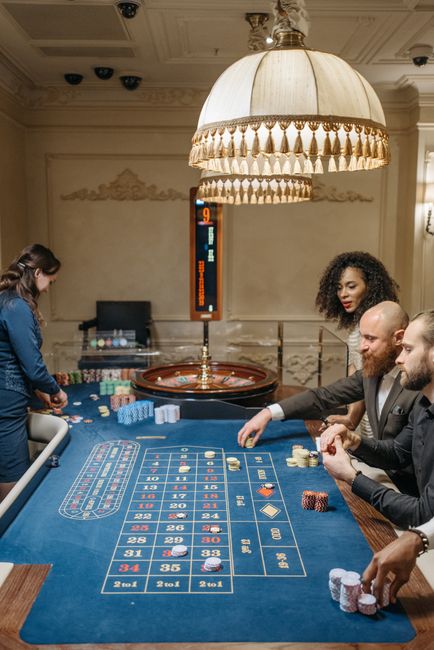
Every slot player has had that moment. You're 40 spins deep, the reels are cold, and the bonus round you've been chasing finally lands — only to pay out 12x your stake. Meanwhile, the guy two seats over just hit a 2,000x on a machine you walked past ten minutes ago. Luck? Absolutely. But watch enough sessions, and you start noticing patterns in how people play, not just how the machines behave. The line between a profitable grinder and a reliable donor rarely comes down to the RNG. It comes down to discipline, math, and a few uncomfortable truths most players never want to hear.
Why Variance Is Not Your Enemy — It's Your Roommate
Let's get one thing straight: no strategy eliminates house edge. A 96% RTP slot loses $4 for every $100 wagered over the long run, and that number doesn't care about your gut feeling or your lucky hoodie. What separates winners is understanding how variance actually behaves.
Take a high-volatility slot like Money Train 4 with a max win of 150,000x. Most sessions you'll lose your bankroll. Occasionally you'll hit something that changes your year. Grinders know this and structure their sessions accordingly — smaller bets, longer timeframes, and an acceptance that 80% of sessions will be unremarkable. Donors do the opposite: they chase losses on max bet, hoping the next spin is the one.
- Low volatility (e.g., Starburst, Blood Suckers): frequent small wins, gentle bankroll swing, best for bankroll-building sessions.
- Medium volatility (e.g., Book of Dead): the classic balance — bonus rounds land often enough to stay interested.
- High volatility (e.g., San Quentin, Mental): rare but massive payouts, brutal swings, requires serious bankroll.
If you're playing a 10,000x max-win slot with a $50 bankroll and $1 spins, you're not a gambler — you're a spectator with a wallet.
The Bankroll Rules That Actually Matter
Ask ten pros for their bankroll rule and you'll get ten answers. But almost all of them agree on the same core principle: your session bankroll should be at least 100 to 200 times your base bet on high-volatility games, and 50 to 100 times on low-volatility ones. That's not arbitrary. It's math tied to how often variance will take you on a ride.
Here's a practical framework I've seen work for years:
- Decide on a monthly gambling budget before you deposit a cent. Treat it like your entertainment line item — Netflix, dinners, slots.
- Break that budget into session chunks (e.g., $250 per session, four sessions a month on a $1,000 budget).
- Set a stop-loss (typically 50% of session bankroll) and a stop-win (often 2x to 3x session bankroll).
- Never, ever reload mid-session. If you're out, you're out — that's the discipline that pays the bills.
The stop-win is the one people ignore. Grinders take profits. Donors give them back because "the machine is hot." A hot machine is a fiction; a withdrawal in your account is a fact. Readers looking for specifics may like kqbd.
Poker, Sports Betting, and the Edge That Actually Exists
Slots are house-edge territory — you can't beat them long-term, only survive them. Poker and sports betting are different beasts because they're player-versus-player games where skill genuinely matters. But that skill has a price: it requires study, and most casual players never put in the work.
In no-limit hold'em, the difference between a break-even player and a 5bb/100 winner is mostly preflop discipline. Weak players limp too much, call too much from the blinds, and overplay top pair. Winning regs fold Ace-Jack offsuit from early position without a second thought — that single fold is worth more than most players realize.
Sports betting has the same dynamic. Beating the closing line consistently is the only long-term proof of edge. If you're betting on favorites because you "have a feeling," you're the reason the sportsbook's marketing team got a raise this year. Line shopping across three or four books, tracking your bets in a spreadsheet, and refusing to bet emotionally — that's the whole game outside the game.
Three Habits That Quietly Drain Your Account
Most players don't lose because of bad luck. They lose because of habits they never notice. Here are the three I see constantly:
- Chasing bonuses without reading terms. That "100% up to $500" welcome offer likely has a 40x wagering requirement on both deposit and bonus, plus game weighting rules that exclude the slot you actually want to play. Read the fine print or skip it.
- Playing under the influence. Alcohol drops your risk perception and your patience simultaneously. Slots sessions that start at 9pm after four beers rarely end well.
- Refusing to walk away after a big win. The hit was the goal. Continuing to play "with house money" converts a good session into a statistic.
None of these are exciting lessons. That's exactly why they work. The casino industry doesn't thrive on grinders; it thrives on people who forget these habits five minutes after reading them.
A Word on Streaming Culture and Manufactured Wins
Slot streamers have done more to distort player expectations than any marketing campaign in history. When you watch someone spin on $50 or $100 per pull, hitting 5,000x bonuses on camera, you're watching survivorship bias in 4K. The sessions that busted aren't uploaded. The bankrolls are typically sponsored or backed by affiliate deals. And the wins — while real — are statistically inevitable across thousands of max-bet spins.
Replicating streamer behavior with a $200 bankroll is the fastest way to become a statistic. If you enjoy the content, fine. Just don't use it as a template for your own play.
The Bottom Line Nobody Wants to Hear
The iGaming industry is built to entertain you, not fund you. Slots will take their edge, sportsbooks will price their margins, and poker rooms will rake the pot. That's the reality of the ecosystem. But within that reality, there's a huge difference between someone who plays with structure — sized bets, defined limits, tracked results, no chasing — and someone who treats every session like a lottery ticket.
You don't beat the house. But you can absolutely stop beating yourself. Play smaller than your ego wants, longer than your patience likes, and always leave something on the table when the session is done. That's not a strategy for getting rich. It's a strategy for still being here next year — and that's the only scoreboard that matters.